

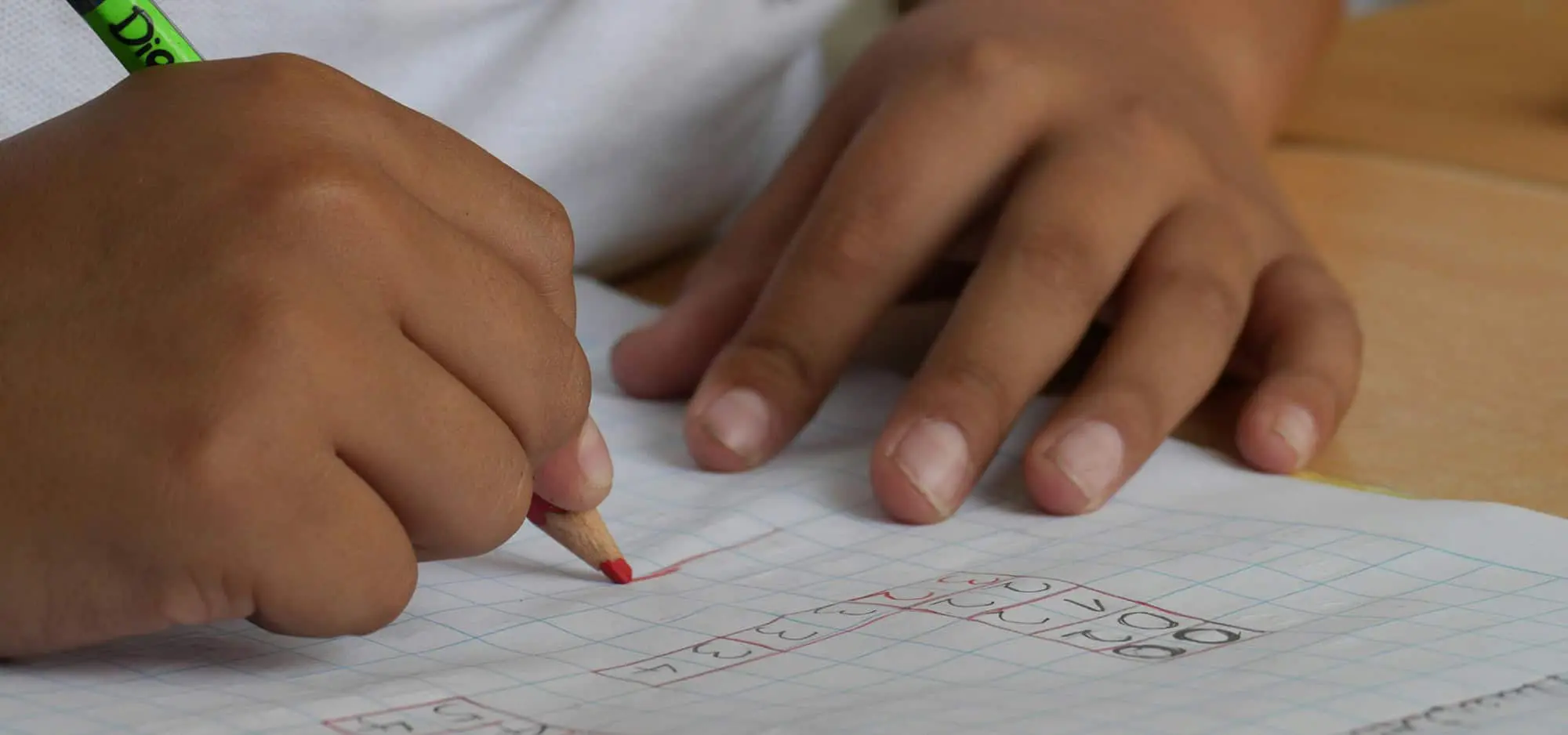
Schools today are daunting. Students are 2.5x more likely to attend a school with chronic absenteeism. Teachers are missing far more school than pre-COVID, and there are far too few school counselors. With less time and consistency in classrooms, learning is slower to rebound in marginalized communities. The systemic barriers to equitable education persist, as do the resulting achievement gaps across race and income, and the U.S. is 28th in math scores internationally.
Coupled with chronic absenteeism and achievement gaps, there is a growing public mental health crisis with 1 in 5 children facing serious mental health challenges — a 65% growth in feelings of “persistent sadness and hopelessness” since before COVID. Shockingly, the CDC reports that suicide is now the second leading cause of death for 10-14 year olds. According to the Afterschool Alliance, afterschool and summer programs play an important role in supporting the healthy development of young people. Approximately 6 in 10 parents are more worried about their child’s emotional well-being today than they were before the pandemic, and missing out on social connections and friendships is a top concern for parents. Recognizing the serious impact the pandemic has had on young people’s health and well-being, in October 2021, the American Academy of Pediatrics, the American Academy of Child and Adolescent Psychiatry, and the Children’s Hospital Association joined together to declare a National State of Emergency in Children’s Mental Health.
This is a complex knot to untangle. And the resources are dwindling. This year, the American Recovery Act dollars are sunsetting, leaving districts with tighter budgets than ever. The tutoring and supplemental services that have helped support test score improvement will now be unfunded. Educators are understandably burnt out. And schools cannot tackle this alone.
Amid this struggle, there is hope. This hope is seen in the powerful ways young people, their families, and communities leverage resources to build bright futures for themselves. This hope is also seen in the ways community partners work hard to build bridges, working arm-in-arm with young people, their families, and communities. Afterschool programs like AmeriCorps and volunteer mentors have become part of the social fabric of communities, working together to increase school attendance, decrease loneliness, and even improve academic achievement. And the proof is in the pudding, or the data.
High quality after-school and mentoring programs have been proven by empirical research to address these challenges. Entities from the National League of Cities to the Biden Administration have elevated the importance of these programs to address the “long COVID” of education.
The evidence demonstrating afterschool’s effects on in-school attendance is vast, as documented in the “After 3pm” report. At Higher Achievement, in school year 23/24, participants were 52% less likely to be chronically absent than students who attended the host schools. When student school attendance improves, academic achievement soon follows. In fact, some afterschool programs are even proven to directly improve academics. In two randomized controlled trials by MDRC, Higher Achievement has demonstrated statistically significant results on test scores and report card grades.
There is a growing body of research demonstrating the ways in which well-trained, lasting mentoring relationships can help combat loneliness. Mentors working one-on-one or in small groups can help young people increase their sense of belonging and reduce social isolation. To optimize this potential, mentors should be well-trained in cultural humility, openness especially across identities, and a how to foster an environment of safety and belonging. The mentoring also must endure at least one year and happen on a predictable schedule.
To help our children thrive and our country compete, we must untangle this knot. We must work together – to invest more in afterschool and summer programs for all students, to recruit many more mentors for young people, and to advocate for systemic change.
Our 50th anniversary class of 8th graders has officially graduated, and their hard work, growth, and determination were featured on NBC4 Washington. Celebrating 50 years is more than a milestone. It’s a testament to the community—families, school partners, supporters, mentors, and staff—that have surrounded our incredible scholars for half a century. That support doesn’t end […]

On October 25, 2024, Higher Achievement hosted a special lunch conversation on the critical importance of the 8th to 9th grade transition. In a time where academic recovery, chronic absenteeism, and youth mental health struggles persist, this conversation offered potential solutions and practical advice. More than 50 participants joined in conversation with a panel of […]